
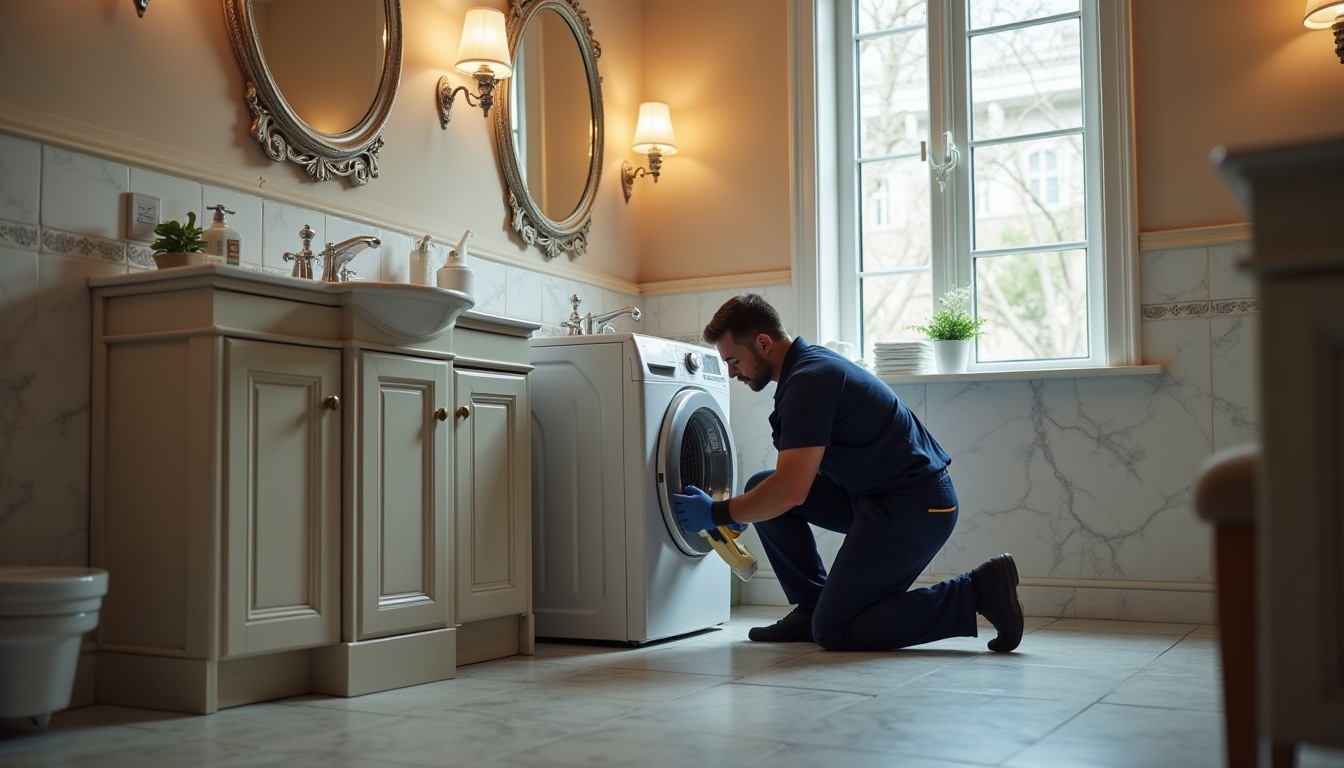
7 Steps to Washing Machine Maintenance

7 Steps to Washing Machine Maintenance

Washing machine maintenance is a set of regular tasks aimed at extending the appliance’s lifespan, preventing malfunctions, and ensuring efficient operation. While models and brands may vary, the core principles of maintenance are largely universal, with a few model-specific differences.

In this article, we’ll cover maintenance procedures specifically for washing machines without drying functions — from basic upkeep to practices that help you avoid costly repairs.
Note:

Always refer to your manufacturer’s manual for model-specific care. However, most of the following tips apply to all automatic washing machines.

When it’s time for repairs, not just maintenance

If your washing machine won’t start, doesn’t spin (even if the drain filter is clean), or fails to heat water — it may require professional washing repair. In such cases, contact our specialist for in-home service.

General Maintenance Steps

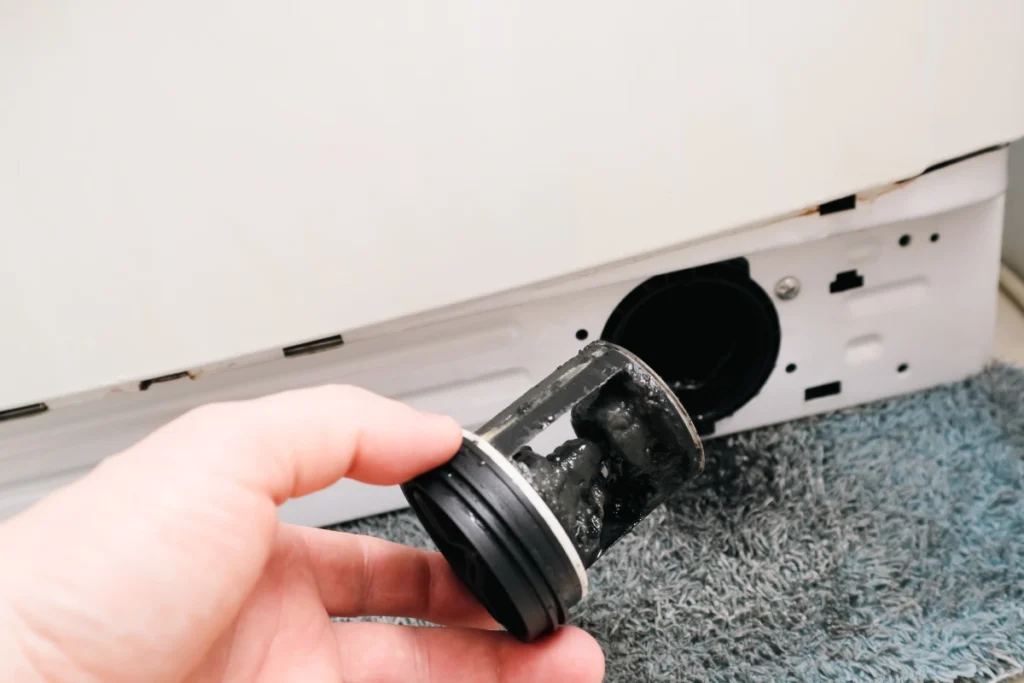
1. Drain Filter Cleaning

  • Frequency: every 1–2 months.
  • Risks: clogs can prevent proper draining, causing cycle errors and program failures.
  • How to clean: open the lower panel, unscrew the filter, and remove any debris (coins, threads, hair, paper).

Why this matters: small items in the drum (like shoe insoles or decorative clothing parts) can break apart during washing and clog the filter. If neglected, this can cause draining errors and halt the cycle.

Drain Filter Cleaning

2. Cleaning the Detergent Tray

  • Frequency: once a month.
  • Issue: buildup of detergent residue, mold, and bad odor.
  • Solution: remove the tray, rinse with hot water, and scrub with a brush.

3. Drum Descaling and Cleaning

  • Products: citric acid (100–150 g per empty cycle) or commercial descalers.
  • Cycle: empty wash at 60–90°C.
  • Frequency: once every 2–3 months.

4. Cleaning the Door Gasket (Seal)

  • Water, hair, and mold collect here easily.
  • Wipe dry after each wash with a soft cloth.

5. Ventilation

Keep the door open for 1–2 hours after each wash.

Important: if you notice mold in the detergent compartment, it can affect laundry quality and cause allergic reactions. To prevent this, always leave both the door and the detergent tray slightly open to allow natural ventilation and drying.

6. Load Control

  • Overloading strains the motor and bearings.
  • Do not exceed the maximum load specified in the manual.

7. Hose Inspection

  • Check inlet hoses for cracks or leaks.
  • Recommended replacement every 5 years.

Model-Specific Maintenance Differences

While the basics are similar, some differences exist depending on the design and brand:

1. Automatic Drum Cleaning

Some models (e.g., LG, Samsung) have a drum-clean cycle. Run it once a month.

2. Inlet Water Filters

Some machines have mesh filters on the inlet hoses. These need separate cleaning, especially in areas with hard water or sediment.

3. Direct Drive Models

  • Fewer moving parts = lower failure risk.
  • Still requires regular gasket, filter, and descaling maintenance.

4. Smart Machines (Wi-Fi, Auto Dosing, etc.)

  • May offer maintenance reminders.
  • Firmware updates may be needed regularly.

What Not to Do

  • Avoid using vinegar too often — it can degrade rubber components.

  • Don't ignore the manual — different models may have unique care guidelines.

  • Never use abrasive cleaners inside the drum — it can scratch and damage the surface.

Conclusion

Washing machine maintenance involves simple yet vital actions that can significantly extend your machine’s lifespan. Although most tips are universal, it’s still recommended to:

  • Read your model's user manual.

  • Take note of special features (like drum-clean or self-dosing).

  • Understand the type of motor and load system.

Need advice for a specific model? Let us know!

+

Request a call

Please leave your contact details.
The manager will contact you shortly.