Dishwasher Maintenance: Prevention and Care Guide

Dishwasher Maintenance: Prevention and Care Guide

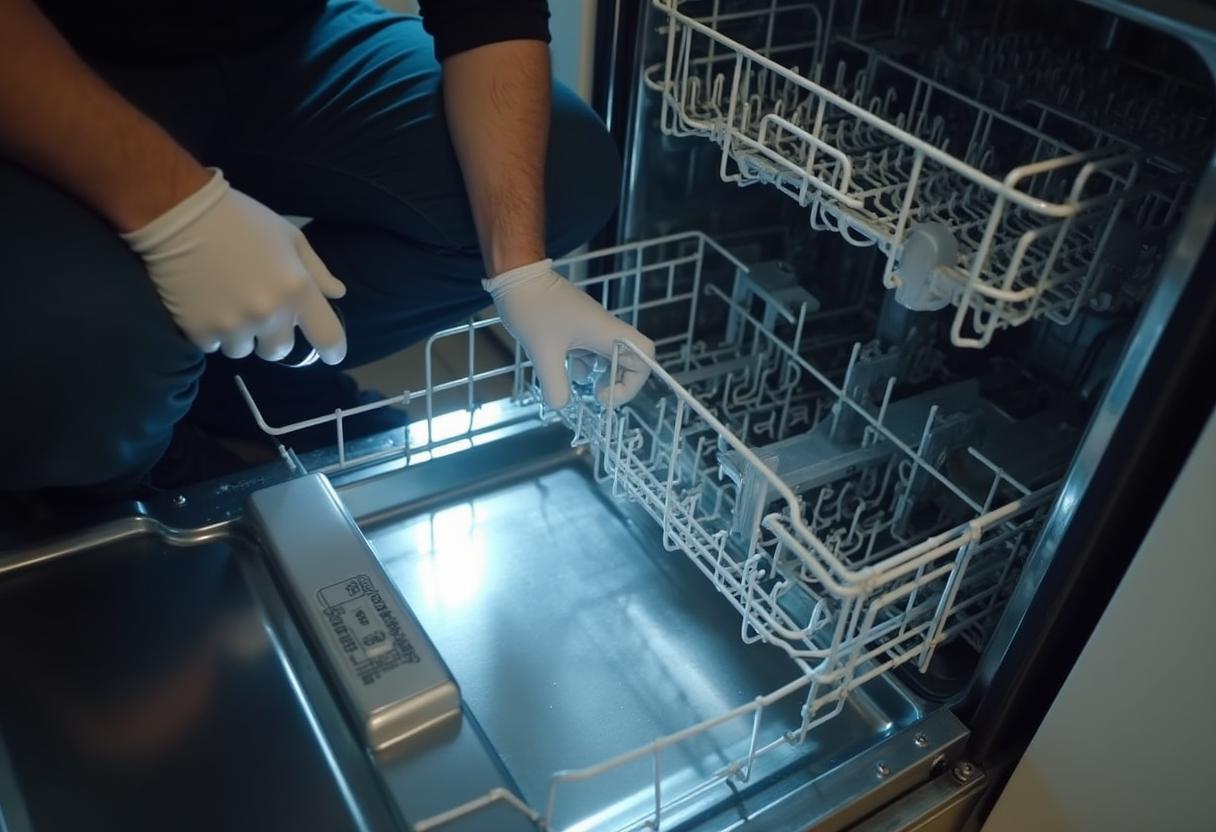
Dishwasher maintenance helps extend the life of the machine, improves washing quality, and prevents malfunctions. A detailed checklist is usually provided in the user manual of your dishwasher—be sure to follow it. This article outlines the key preventive measures.

Checklist: Basic Maintenance

Regular dishwasher maintenance typically includes:

  • Cleaning the filter

  • Cleaning spray arms

  • Refilling salt and rinse aid

  • Periodic descaling and degreasing

  • Wiping door seals

  • These actions help maintain smooth operation and prevent breakdowns.

When Maintenance Isn’t Enough

If your dishwasher: doesn’t turn on (even after trying another outlet), won’t drain water, doesn’t heat, —it’s time to contact a professional. We specialize in at-home dishwasher repair and can quickly solve the issue.

1. Filter Cleaning

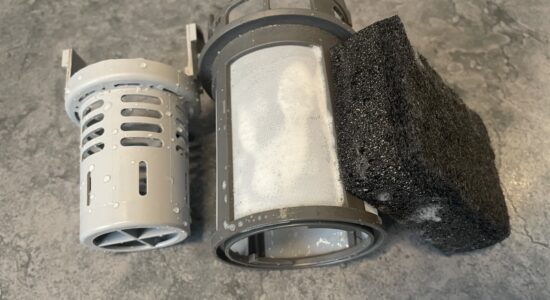
Check your user manual to see whether your dishwasher’s filter needs to be disassembled before cleaning. Filters are often fragile and easy to damage, and a replacement may not be included with your machine. The photo below shows an example of a filter composed of two easily detachable and reassembleable parts.

  • Frequency: every 1–2 months.
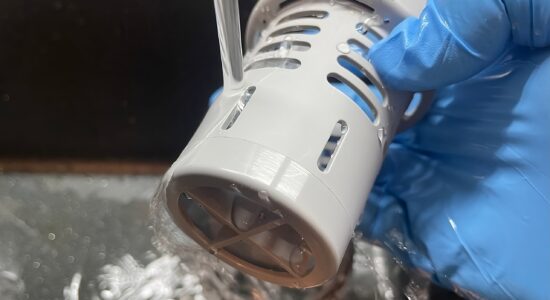
  • How to clean: Remove and rinse under running water. Remove food and grease residue.
  • Why it matters: A clogged filter worsens drainage and can overload the pump.
Filter cleaning

2. Spray Arm Cleaning

  • Frequency: Once a month
  • How to clean: Remove spray arms, clean holes with a toothpick or needle to remove limescale and food particles.
  • Why it matters: Blocked holes reduce pressure and washing performance.
Spray Arm Cleaning

3. Use of Salt and Rinse Aid

  • Frequency: Once a month.
  • How to clean: Remove spray arms, clean holes with a toothpick or needle to remove limescale and food particles.
  • Why it matters: Blocked holes reduce pressure and washing performance.
Salt and Rinse Aid

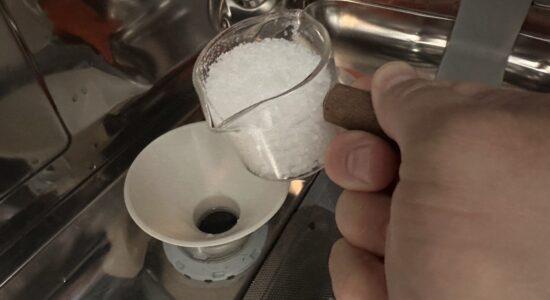
Important: Do not use table salt—it may contain impurities harmful to internal parts. Always use special dishwasher salt, which dissolves well and won’t cause limescale.

4. Degreasing and Descaling

  • Special cleaners: Recommended for use every 1–2 months. Instructions include running an empty cycle with the cleaner according to product instructions. These cleaners are noted for effectively removing grease and mineral build-up.
  • Alternatives: Suggests using 1 cup of 9% vinegar (poured onto the bottom) or 2–3 tablespoons of citric acid (placed in the detergent or tablet compartment). Advises limiting this method to once every 2 months, as acids may damage rubber seals and plastic parts if overused.
  • What’s better: States that special cleaners are safer and more effective. Notes that they do not leave odors and are specifically designed for dishwasher materials. Mentions that home remedies can be used occasionally, but not regularly.

5. Cleaning Seals and Door Frame

  • Frequency: Indicates that the cleaning should be done every 2 weeks.
  • How to clean: Provides instructions to wipe seals and door joints with a cloth soaked in vinegar or a mild detergent.
  • Why it matters: Explains that grease and mold can accumulate in hidden crevices.

6. General Operating Tips

  • Don’t overload the machine
  • Arrange dishes properly; don’t block spray arms
  • Remove large food scraps before loading
  • Don’t run the machine without water (e.g., during supply issues)

Summary: Maintenance Schedule

Task

  • Filter cleaning
  • Spray arm cleaning
  • Cleaner use
  • Door seal wiping
  • Salt and rinse aid check
  • Descaling

Frequency

  • Every 1–2 weeks
  • Once a month
  • Every 1–2 months
  • Every 2 weeks
  • As needed
  • Every 1–2 months

Need a printable checklist or PDF version? Just let us know.

+

Request a call

Please leave your contact details.
The manager will contact you shortly.