Is Your Dryer Not Drying or Not Heating? Here Are the Possible Causes and Solutions

Is Your Dryer Not Drying or Not Heating? Here Are the Possible Causes and Solutions

You pull your clothes out of the dryer, only to find them still damp. Many people experience problems when their dryer isn’t drying properly or fails to heat. In this article, we’ll explain how a dryer should function based on its type and program, and what to check if something goes wrong.

How a Properly Working Dryer Operates

During normal operation, the dryer blows heated air (usually 40–80 °C / 104–176 °F) into the drum to remove moisture from clothing. The moist air is either vented out or condensed depending on the dryer type. Some programs, such as “Air Fluff” or “No Heat,” work without heating, and at the end of many cycles, a cooling mode is activated.

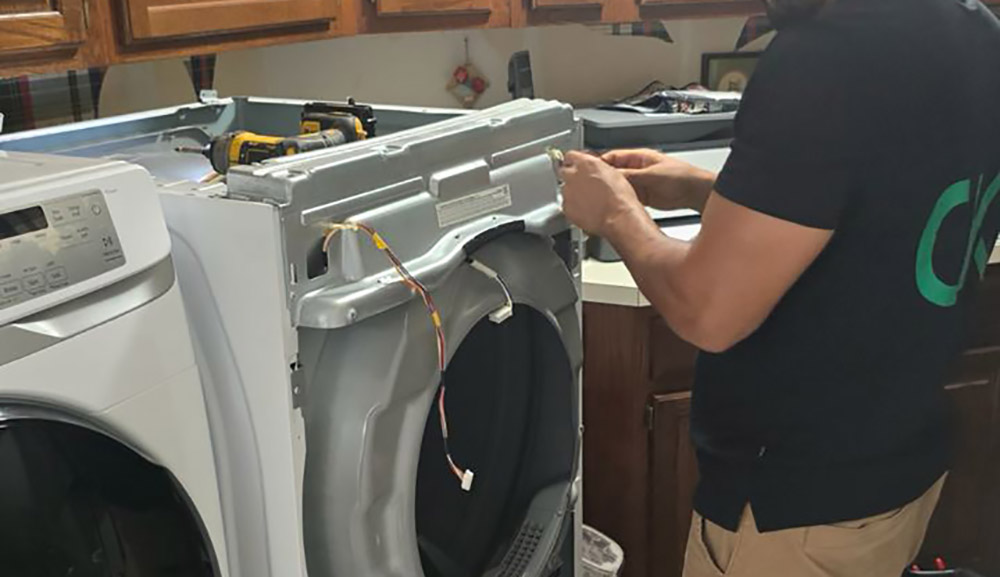
If you select a hot cycle but the air stays cold and your clothes remain wet, it’s a clear sign of a malfunction — and time to schedule a dryer repair.

We’ll now review three main dryer types and how they work:

  1. Vented dryers
  2. Condenser dryers
  3. Heat pump dryers

We recommend checking your manual to determine the exact type of dryer you have, in order to understand what “normal” drying performance should look like.

1. Why Your Vented Dryer Isn’t Drying Properly

How it works: Hot air passes through the drum and is expelled outside through the vent hose. You may notice that the dryer isn’t heating if, after 10–15 minutes of running, your clothes still feel cold and only cool air comes out of the drum.

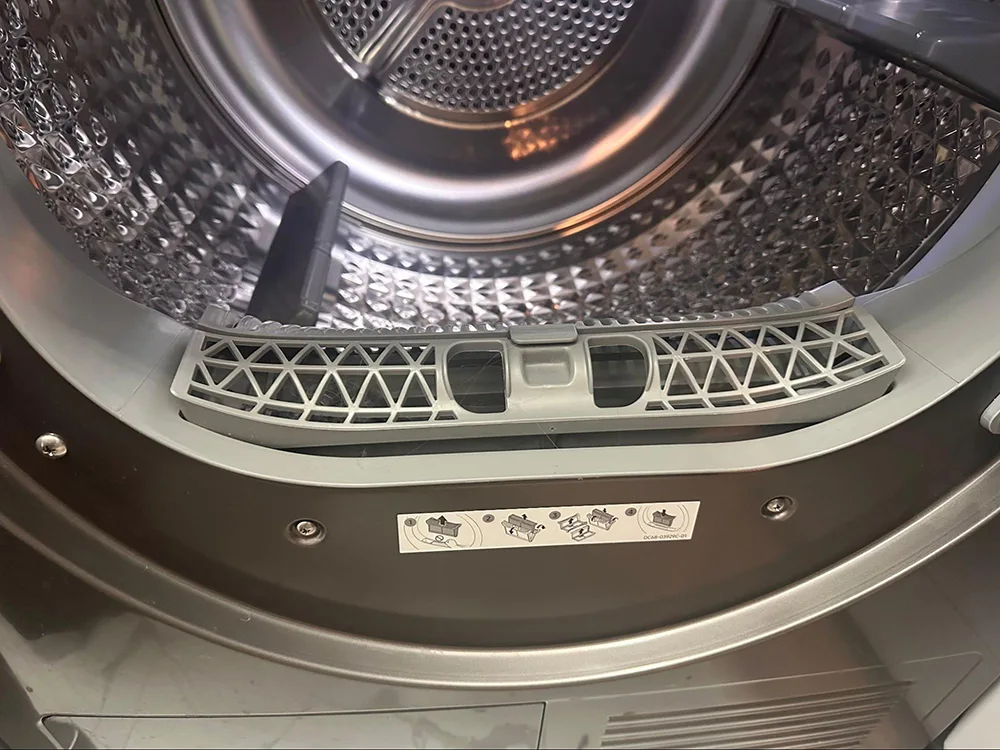
Clogged Lint Filter

When the filter is blocked, air cannot circulate freely and clothes stay damp. The fix is simple — clean the lint filter after every load.

Filter for pile

Faulty Heating Element or Thermal Fuse

Often, the problem lies in a burned-out heating element or a blown thermal fuse that protects against overheating. This type of dryer is quite simple — if it’s not heating, the heater is usually to blame.

Blocked or Pinched Vent Hose

The vent can be pinched or clogged with lint. In this case, hot air cannot escape, and drying efficiency drops dramatically.

Overloaded Drum

If too many clothes are inside, airflow is restricted. This reduces drying effectiveness and may cause overheating.

Drum Not Spinning

If the drum does not move, the drive belt or motor may be faulty and need replacement.

2. Why Your Condenser Dryer Fails to Dry Clothes

How it works: moist air passes through a heat exchanger where water condenses and collects in a container or drains away.

Full Water Container

If your dryer doesn’t have a direct drain connection, a full water tank can prevent it from drying properly. Simply empty the container to resume normal operation.

Blocked Drain or Pump

If the machine is connected to the sewer, the hose or pump can become blocked, preventing proper water drainage.

Faulty Moisture Sensor

If the sensor sends incorrect signals, the dryer may end the cycle too early.

Water Under the Machine

Leaks may indicate a cracked water container, system seal failure, or a faulty pump.

Clogged Heat Exchanger (Condenser)

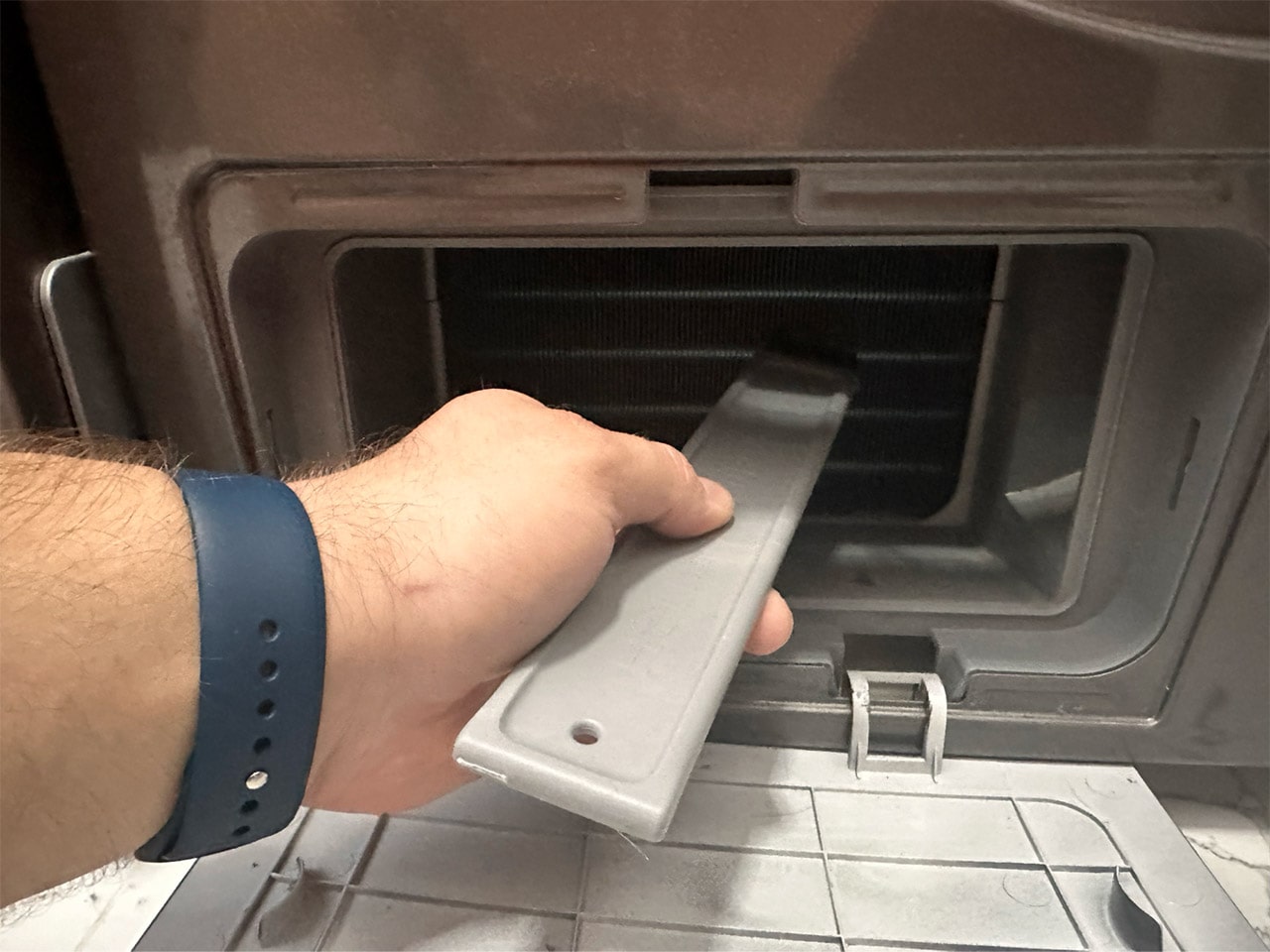
Over time, the radiator becomes clogged with dust and lint. This lowers efficiency and increases drying time. Depending on the model, the heat exchanger can be removed and rinsed under running water or remain fixed. In the first case, carefully remove it and rinse under the shower. In the second, clean it with a soft brush or vacuum cleaner, following the manufacturer’s instructions.

Washer repair2

3. Heat Pump Dryer: Why It Isn’t Drying Clothes

How it works: this type of dryer operates at lower temperatures, combining both the heating and cooling of air. You may notice that the dryer isn’t heating if, after running a hot cycle, your clothes remain cold and only cool air is coming from the air outlet at the back of the machine.

Heat Exchanger (Condenser)

In heat pump dryers, the heat exchanger can be removable or built-in. If removable, take it out and rinse under running water, then dry thoroughly. If built-in, manufacturers usually recommend cleaning with a soft brush or vacuum without dismantling. Some brands include a special access hatch for easier cleaning, while others allow only surface cleaning.

Low Heat — Normal Feature

These dryers work at 45–55 °C (113–131 °F), so drying takes longer. However, they save energy and are gentler on fabrics.

Clogged Filters

Heat pump dryers have several filters, and clogging any of them significantly reduces efficiency. Regular cleaning is a must, just like with other dryer types.

Properly clean dryer2 min
Properly clean dryer

Extremely Long Drying

If cycles take more than 4–5 hours despite clean filters, this may indicate refrigerant leakage or a faulty compressor.

Error Codes on Display

Modern models show error codes related to compressor or sensor failures, which require professional service.

When to Call a Technician

You should contact a dryer repair service in Charlotte, NC if:

  • The dryer turns on but does not start.
  • There is a burning smell, smoke, or loud unusual noise.
  • The drum stops spinning.
  • You’ve cleaned filters and hoses but the dryer still doesn’t heat or dry.
Employee of appliance repair

Give us a call — we repair nearly any home appliance, right in your home

How to Prevent Breakdowns

  • Clean the lint filter after every drying cycle

  • Rinse the heat exchanger every 1–3 months (for condenser and heat pump models)

  • Do not overload the drum

  • Schedule a professional cleaning every 1–2 years to remove internal lint buildup

Conclusion

A dryer is a highly convenient appliance, but to keep it reliable, it requires regular care and maintenance. Cleaning filters, heat exchangers, and vents prevents most issues and extends the unit’s lifespan. If you notice warning signs — such as cold laundry after a hot cycle, a drum that won’t spin, leaks, or burning smells — call a professional immediately. Our expert dryer repair services in Charlotte, NC will restore your machine quickly and safely, helping prevent more serious breakdowns in the future.

+

Request a call

Please leave your contact details.
The manager will contact you shortly.